
Lire cet article en français →
Germany runs on paperwork, punctuality and things built to last. This guide covers your first weeks as a student: the official steps, what to pack or buy when you arrive, what is worth bringing home, and three German sayings that describe the adjustment better than any checklist.
Disclosure: some product links below are affiliate links. If you buy through them, Diplonaut may earn a small commission at no cost to you. No school, agency or brand pays to be mentioned.

Your first weeks in Germany: the official steps
- Register your address within two weeks of moving in (Anmeldung), at the local registration office.
- US passport holders: apply for your residence permit at the local immigration office within 90 days, unless you got a visa before travel. You can only work once the permit allows it (German Missions in the US).
- Money to show: €992 a month, €11,904 for a year, usually in a blocked account (Federal Foreign Office).
- Health insurance is required for the residence permit and to enrol.
For tuition, work rules and costs compared with other countries, see our study destinations comparator and the degree cost calculator.

Before you pack
- Prescription medicines: you may bring up to three months’ supply for your own use. Supplements and vitamins sold freely in the US can count as medicines in Germany. Medicines that German law treats as narcotics, such as some ADHD and strong pain medicines, need a certificate from your doctor (Federal Foreign Office). Bring a doctor’s letter and plan how you will refill in Germany.
- Melatonin: if you use it at home, expect lower doses in Germany. Supplements there usually contain 0.5 to 1.5 mg a day, and the prescription version is 2 mg, approved for people over 55. German consumer advisers point out there is no legal maximum for supplements and recommend asking a doctor or pharmacist first (Verbraucherzentrale, 31 August 2026). If you bring your own, the three-month rule above applies.
- Plugs and voltage: Germany uses 230 V and different plugs. Pack adapters; leave US-only hair dryers and kettles at home.
- Measurements: German recipes and shops use grams and litres. A small kitchen scale beats US measuring cups.
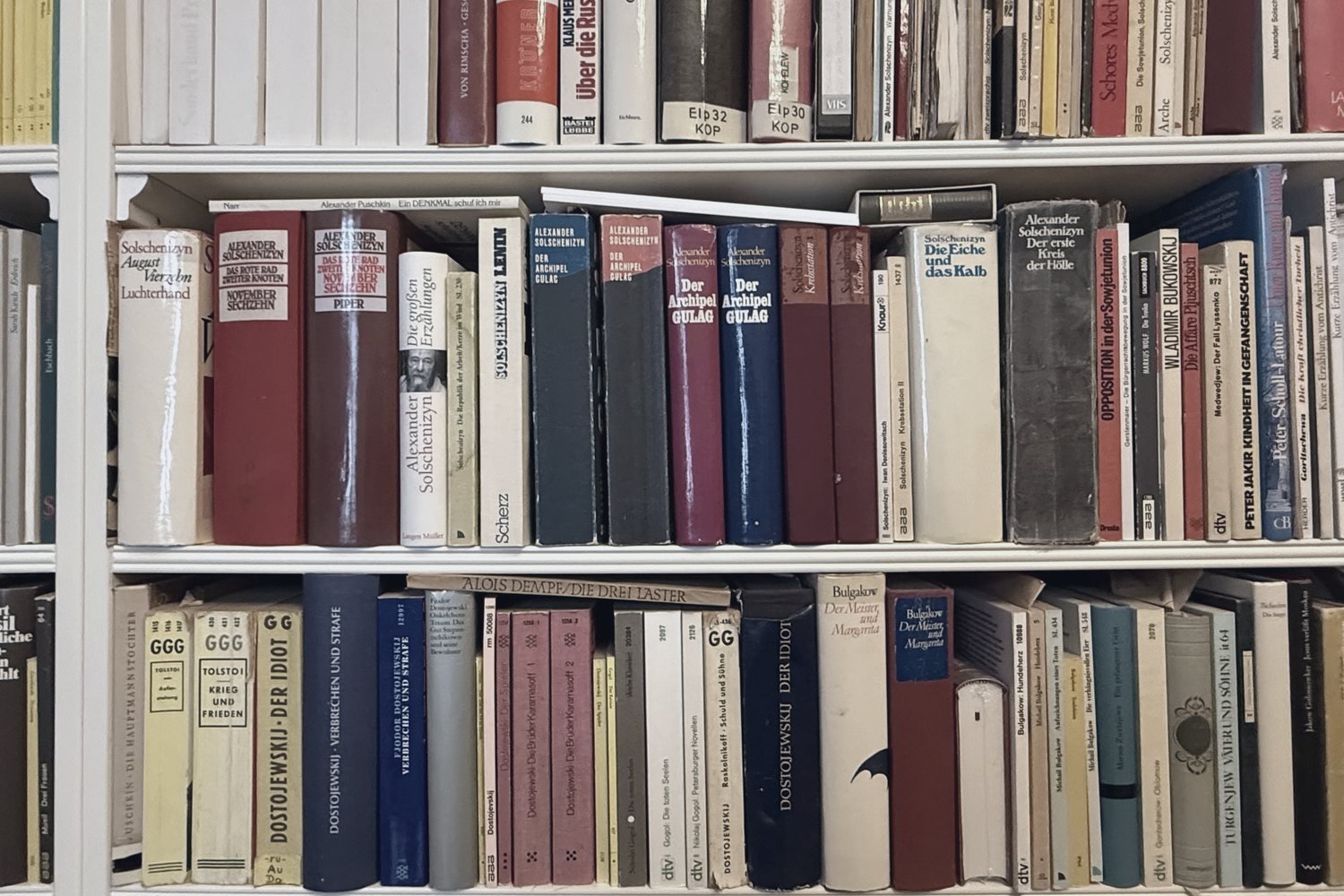
What to buy before you go, or once you arrive
Each item says where it is easiest to get: order before you fly, or buy once you arrive.
| Item | Why | Before you go (US) | After you arrive (Germany) |
|---|---|---|---|
| Comfortable walking shoes | You will walk and cycle far more than in most US cities. The adidas Handball Spezial is a German classic. | Break them in at home: Handball Spezial | Any shoe shop |
| A proper rain coat | Grey, wet days are common from autumn to spring; a hood beats an umbrella on a bike. | Rains Suva hardshell coat | Outdoor and department stores |
| A water-resistant everyday bag | Laptop, notebook and groceries, in all weathers. Vee Collective is a Berlin brand. | Vee Collective Caba tote | The brand’s own site |
| A waterproof weekend bag | Cheap train weekends across Germany and Europe are part of student life. | Rains Hilo weekend bag | Outdoor and department stores |
| A sketchbook for notes and drawing | Lectures still reward handwritten notes; a sketchbook works for both. | No need to pack it | German art-supply chain boesner: Kunst & Papier sketchbook |
| Birkenstocks | The German classic for dorms, flats and summers. | Any shoe shop | Often cheaper there |
| Toiletries and cleaning products | Elmex toothpaste, Lavera skin care, Frosch cleaning products: staples in German homes. | No need to pack liquids | Any drugstore (dm, Rossmann) or supermarket |
The list, in one place
Drugstore or pharmacy?
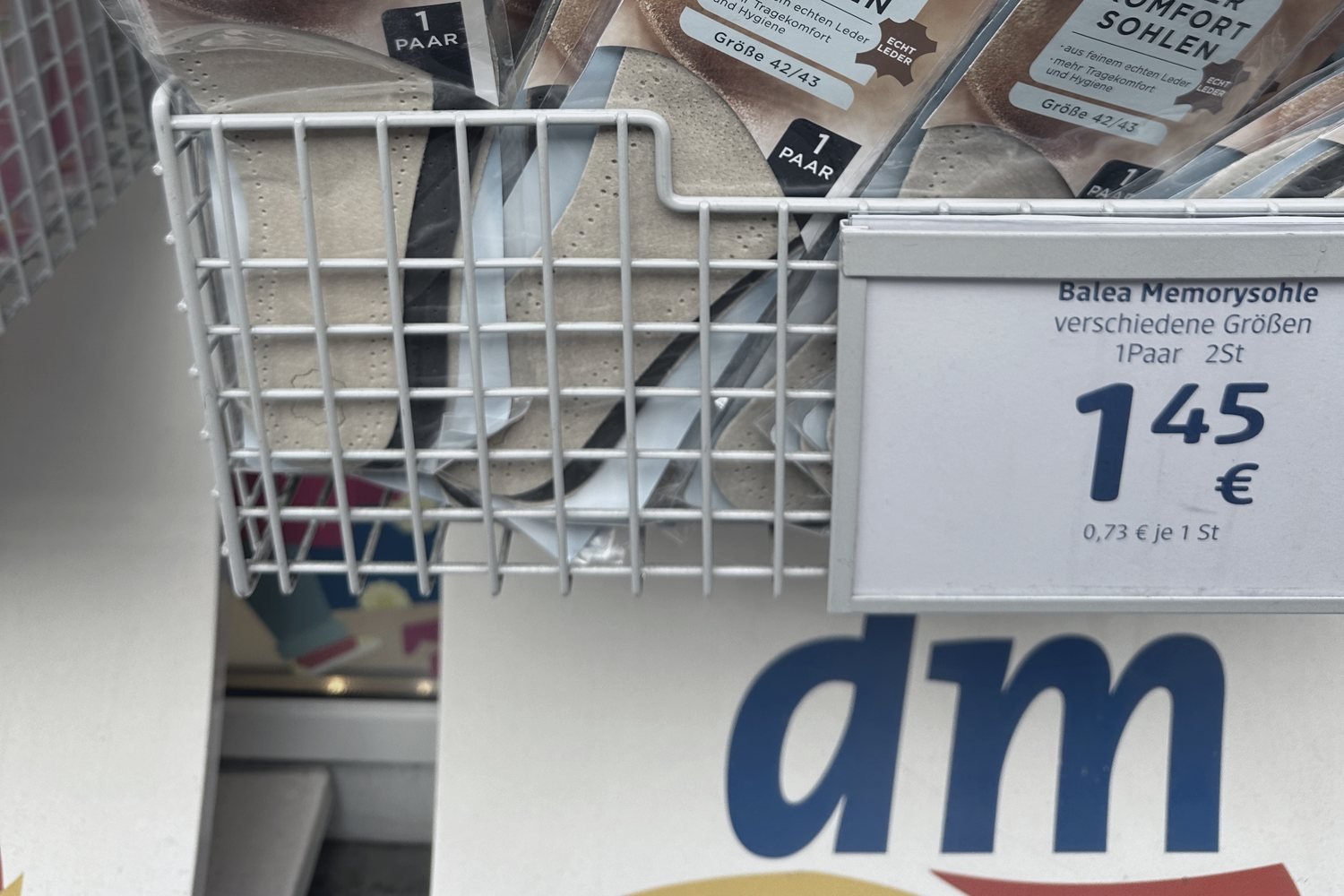
In Germany these are two different shops. Drugstores such as dm and Rossmann sell toiletries, cosmetics, cleaning products and some food: Elmex, Lavera and Frosch are all there. Most medicines, including everyday ones, are sold only in pharmacies (Apotheke, look for the red A), where staff explain how to take them. Pharmacies take turns staying open at night for emergencies, and they also sell skincare and supplements (German health ministry portal).
Worth bringing home, or ordering once you are back
- Mestemacher bread: dense German loaves that keep for weeks; also sold in some US supermarkets.
- A Pelikan fountain pen: a classic German graduation gift.
- One habit: Abendbrot, the simple evening meal of bread and toppings.

Three German sayings for your first months
“Aller Anfang ist schwer.” All beginnings are hard. The first months abroad are the hardest: forms, a new language, no one to call. It settles.
“Anfangen ist leicht, Beharren eine Kunst.” Starting is easy; sticking with it is an art. The excitement of arrival fades. Finishing a degree abroad takes routine and discipline.
“Aus Schaden wird man klug.” You learn from your mistakes. A country known for high standards also treats mistakes as part of learning. You will get things wrong; that is how you learn the place.
Last checked 12 October 2026 against the official sources linked above.
Leave a Reply